Farmer-driven innovations in agriculture that improve profitability, stewardship and quality of life.
Explore our grants
About SARE
The Sustainable Agriculture Research and Education (SARE) program is a decentralized competitive grants and education program operating in every state and island protectorate. SARE is divided into four different regions that operate as separate entities and run grant programs for their states.
To learn about grant opportunities, visit your regional site.
Today, little information is available for hemp producers to make decisions. The farmers and respective farms involved in these projects hope to promote the growth of the industrial hemp industry in Kansas.
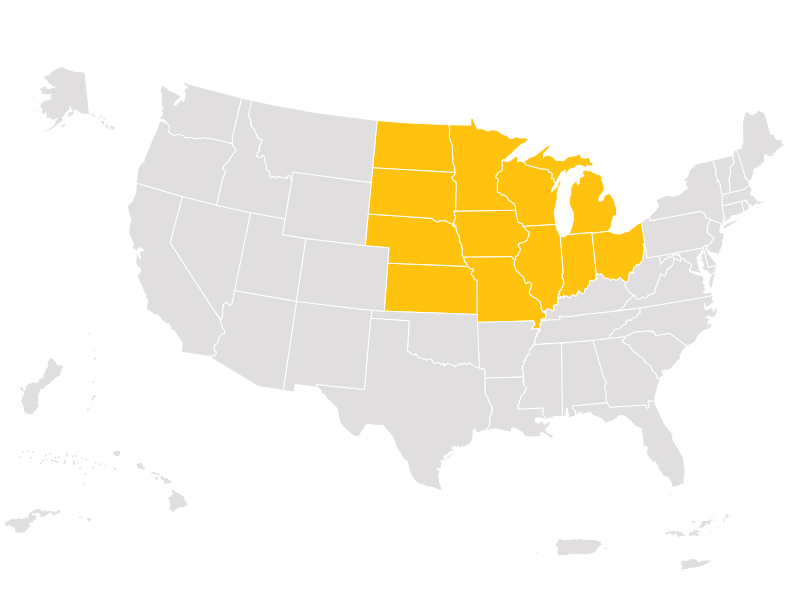
To learn about grant opportunities, visit your regional site.
The driving goal of the graduate student research program is to invest in a new generation of scientists.
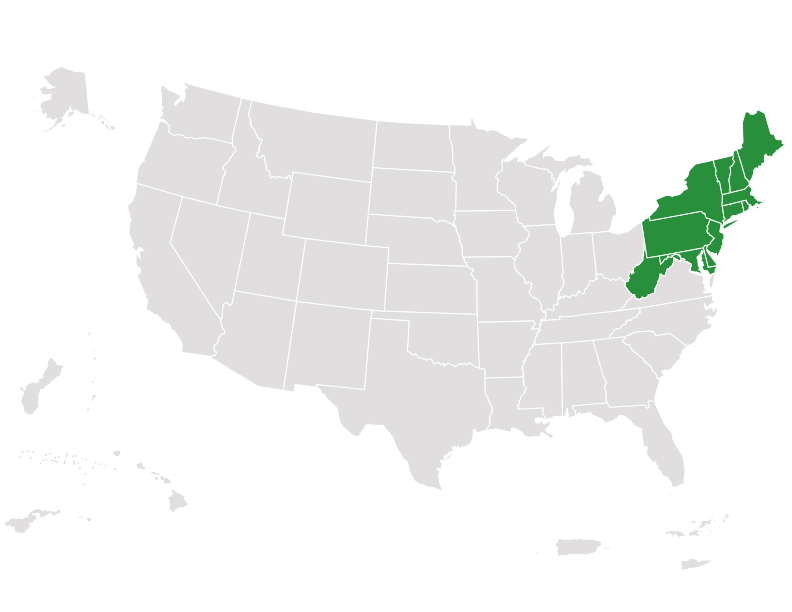
To learn about grant opportunities, visit your regional site.
Cover crops have the potential to improve the health of soils. In our part of the world, drought and wind are common and are a problem, but when it does rain, soils are just as susceptible to erosion and water issues. So keeping something on that soil is important, especially if it can serve as a dual-use-crop.
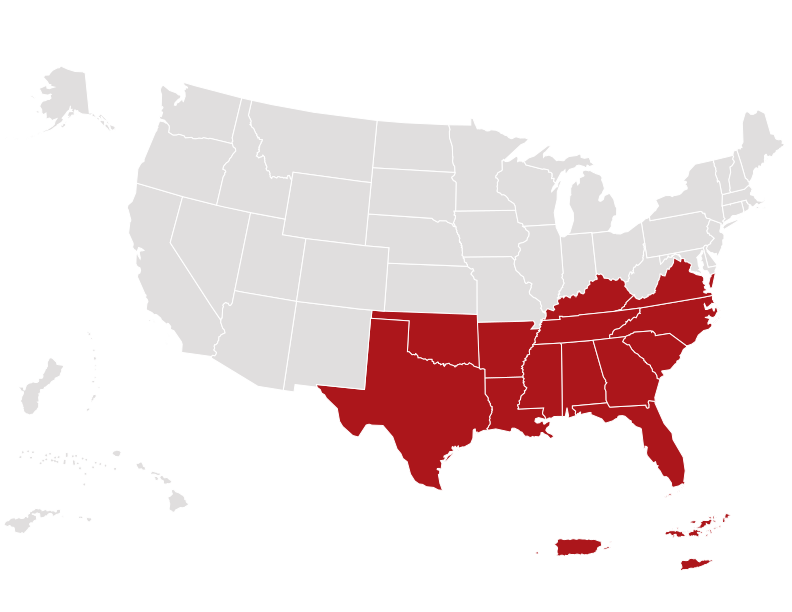
To learn about grant opportunities, visit your regional site.
We’ve had twice the crop production on the same footprint, which is huge for both profit and land-use efficiency.
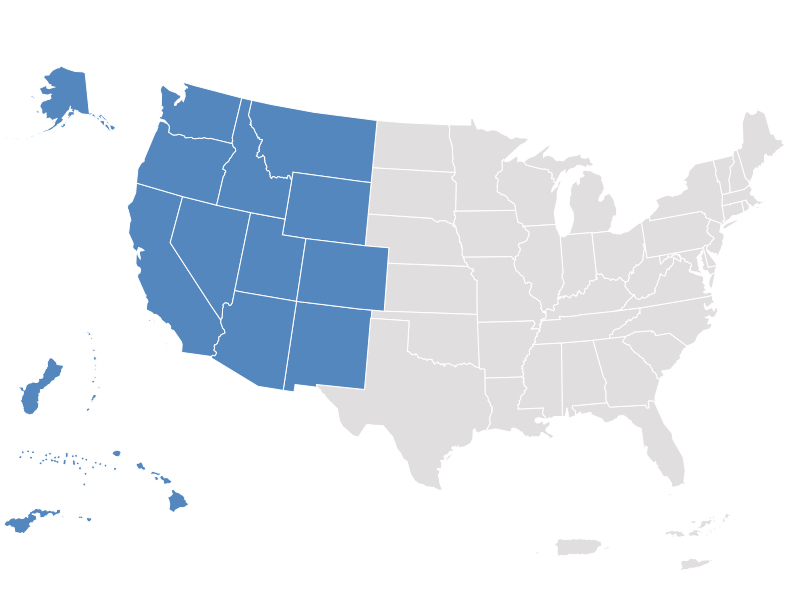
FARMER-FOCUSED RESEARCH AND EDUCATION
Since 1988, SARE's competitive grants program has supported farmers, ranchers, researchers and educators who are improving the sustainability of U.S. agriculture.
$406
million
in funding since 1988
8,803 projects
funded since 1988
FEATURED NEWS AND RESOURCES
MORE NEWS | RESOURCES AND LEARNING
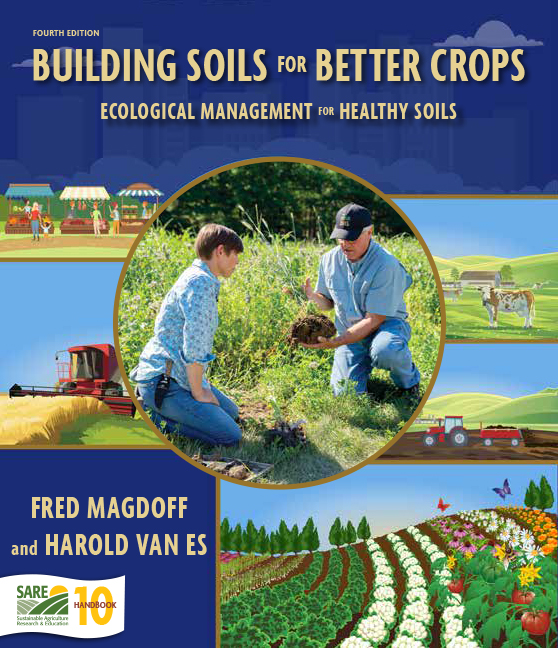
Book: Building Soils for Better Crops
A must-read for farmers, educators, students and anyone who is interested in learning about ecologically sound practices for developing and maintaining healthy soils.
Learn more...